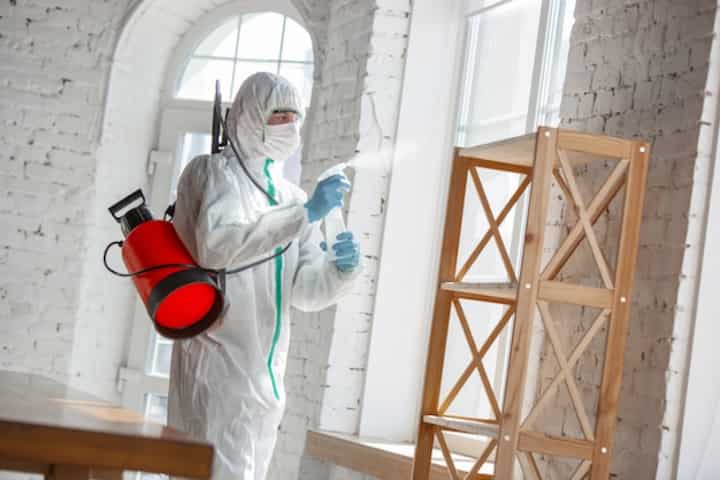
The Ultimate Guide to Crawl Space Mold Remediation
Crawl spaces, often overlooked areas of a home, are prone to mold growth due to their damp and dark environments. Mold not only poses health risks but can also lead to structural damage if not addressed. Understanding the process of mold remediation in crawl spaces is crucial for maintaining a safe and healthy home environment. This guide provides a comprehensive overview of the necessary steps for effective crawl space mold remediation.
Understanding the Causes of Mold in Crawl Spaces
Mold thrives in environments with moisture and organic materials to feed on. Crawl spaces are particularly susceptible due to factors such as:
- High humidity levels
- Inadequate ventilation
- Groundwater seepage
- Leaking pipes or plumbing issues
- Condensation from HVAC systems
To prevent mold, it is essential to address these underlying issues. Read more about this topic.
Steps for Effective Mold Remediation
Inspection and Assessment
The first step in mold remediation is a thorough inspection and assessment. This involves:
- Identifying the extent of mold growth
- Determining the source of moisture
- Evaluating the potential health risks
A detailed inspection helps in formulating a strategic remediation plan. Learn more in this detailed guide.
Containment and Ventilation
To prevent mold spores from spreading, containment measures should be implemented. This includes:
- Sealing off affected areas
- Using negative air pressure to prevent contamination
- Employing air filtration devices
Proper ventilation is crucial during remediation to maintain air quality. Explore further insights here.
Removal and Cleaning
The actual removal of mold involves:
- Removing and disposing of contaminated materials
- Cleaning surfaces with appropriate antimicrobial solutions
- Using HEPA vacuums to capture mold particles
It is important to follow safety guidelines to protect both the property and individuals involved. Find additional information here.
Repair and Restoration
After cleaning, the next step is to repair and restore the crawl space. This process may include:
- Fixing any leaks or plumbing issues
- Installing vapor barriers to reduce moisture
- Improving drainage systems
- Enhancing ventilation with crawl space vents or dehumidifiers
Proper restoration ensures that the crawl space remains mold-free in the future. Learn more in this detailed guide.
Preventive Measures for Future Mold Growth
To prevent mold from returning, consider the following preventive measures:
- Regularly inspect for signs of moisture or leaks
- Maintain humidity levels below 60%
- Ensure proper insulation and ventilation
- Conduct routine maintenance checks
Implementing these measures can significantly reduce the risk of future mold infestations. Explore further insights here.
Conclusion
Mold remediation in crawl spaces is a critical task that requires a comprehensive approach, from identifying the causes to implementing preventive measures. By following the outlined steps, homeowners can ensure a healthier living environment and prevent potential damage to their properties. For more detailed guidance and expert advice, read more about this topic.